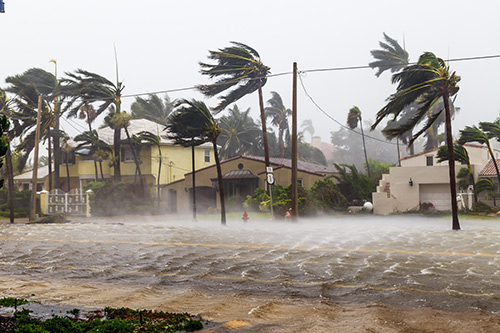
In Massachusetts, hurricane season officially runs from June through November, with the most active period often arriving later in the summer. Even if a storm weakens before reaching New England, tropical systems, nor’easters, wind-driven rain, coastal flooding, and inland flooding can still damage homes and belongings. One of the simplest steps to take before the forecast turns serious is documenting what you own.
Start with a room-by-room walkthrough using your phone. Take wide photos of each room, then capture close-ups of valuable items such as electronics, appliances, jewelry, tools, furniture, artwork, seasonal equipment, and anything stored in basements, garages, sheds, or coastal properties. Video is especially helpful: narrate what you are recording, open drawers and closets, and include model or serial numbers when you can.
Next, create a basic list with item names, brands, purchase dates, estimated values, and receipts or appraisals for higher-value possessions. You do not need a perfect spreadsheet to get started; even a partial inventory is far better than relying on memory after a disaster.
Store your inventory somewhere you can access if you evacuate or lose power. Save a copy in secure cloud storage, email it to yourself, and keep important paper records in a waterproof, fire-resistant container. While you are at it, review your homeowners or renters policy, ask about wind or named-storm deductibles, and remember that flood damage is typically not covered by standard home or renters insurance, even in Massachusetts communities that are not directly on the coast.
Documenting possessions may not feel urgent on a calm New England day, but that is exactly the best time to do it. A few hours now can save days of frustration later—and help you recover with clearer records, stronger proof, and greater peace of mind before Massachusetts storm season ramps up.