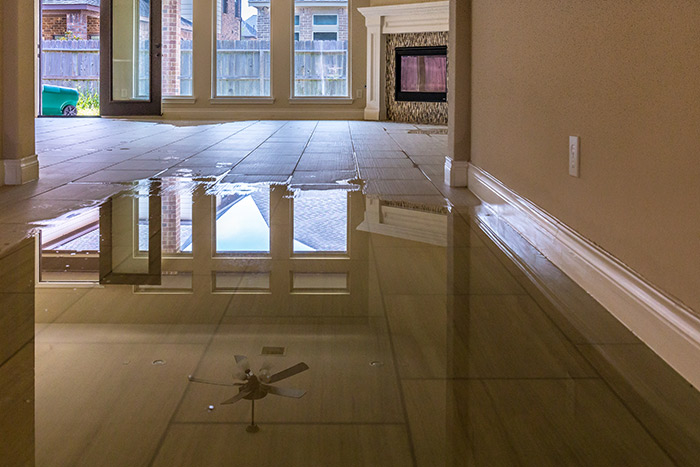
Insuring yourself against a flood is a little different than other policies.
- Floods are not covered under homeowners and renters policies. Only a specific flood insurance policy will cover home flood related losses.
- Most flood insurance is administered through the federal government. Homeowners, renters and businesses can purchase flood policies from an insurer under contract with FEMA. Federal flood insurance is available where the local government has adopted adequate flood plain management regulations under the NFIP—and many communities participate in the program.
- Flood insurance covers direct physical losses from floods and losses resulting from flood related erosion caused by waves or currents of water exceeding anticipated cyclical levels and accompanied by a severe storm, flash flood, abnormal tide surge or a similar situation that results in flooding.
- Flood insurance coverage for the structure and contents of the home are sold separately. Buildings are covered for replacement cost, but coverage for personal property is available on an actual cash value basis only.
- The maximum flood insurance coverage amount is $250,000 for the structure of the home and $100,000 for the contents of the home. ("Excess" coverage over and above the maximums that are available from NFIP is offered by private insurers.)
- Flood losses for cars are covered under the optional, comprehensive portion of a standard automobile insurance policy.
- Commercial flood insurance is available from the NFIP; it provides up to $500,000 of coverage for your building and up to $500,000 for its contents. You can also purchase what’s called “excess” insurance coverage to rebuild properties valued above those limits.
Buying flood insurance
When buying flood insurance, you should know that:
- It's easy to purchase – Federal flood insurance policies can be purchased directly from an insurance professional. Nearly 100 insurance companies write and service NFIP policies.
- It requires a waiting period – There is a 30-day waiting period before a flood insurance policy takes effect, so don’t wait until the last minute to purchase it.
- It can be augmented with "excess" insurance – The NFIP policy maximums are inadequate to fully cover some people's assets so a growing number of private insurers have begun offering excess flood policies, intended to provide water damage protection to homeowners over and above the coverage provided by the NFIP policies. Some private insurers are also starting to offer “first dollar” flood policies.
For more information, contact Lallis & Higgins Insurance.
Source: iii.org
|